Staffordshire's highest rated dental practice - we guarantee high quality dental care at great prices! Full range of dental care available - we can do everything under one roof!



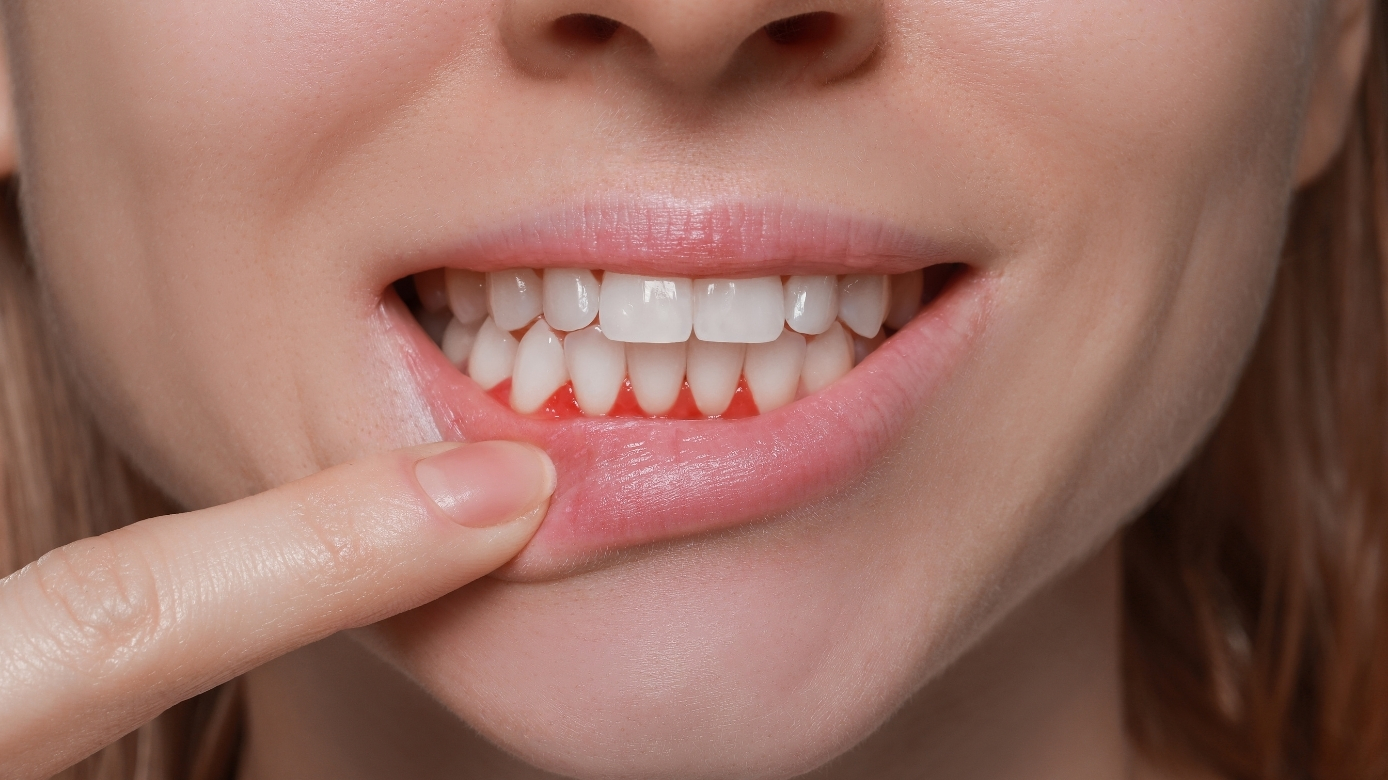
Gum disease (also known as periodontal disease, periodontitis or pyorrhea) is an infection of the underlying supporting structures of the teeth.
Periodontal means “around the tooth”. Periodontal diseases are gum and bone infections caused by the bacteria (germs) in your mouth. These infections destroy the foundation, the gum and bone around your teeth. Periodontal diseases are painless until it is almost too late to save teeth.
If left untreated, periodontal disease can cause bad breath, swollen, bleeding gums and eventually tooth loss. In fact, periodontal diseases are a major cause of tooth loss in adults.
The main cause of these diseases is bacterial plaque, a sticky, colourless film that constantly forms on your teeth.
If plaque is not removed on a daily basis, it can build up on the tooth surface and turn into a hard substance called calculus. Calculus, also known as tartar, is calcified dental plaque and is considered a contributing factor in causing periodontal diseases. When plaque and calculus are not removed, the bacteria in plaque produce toxins (or poisons) that can destroy the supporting tissues and bone around the teeth.
Your own immune system attacks not only these invading bacteria but also the body’s own tissues, carving deep pockets between the teeth and gums. As the diseases progresses, these pockets deepen, more gum tissue and bone are destroyed, and the teeth eventually become loose. If periodontal diseases are not treated, the teeth may eventually need to be removed.
The first line of defence against periodontal disease is actually prevention. This includes a good oral hygiene routine at home. Brushing at least twice a day and cleaning between teeth once a day with floss/interproximal brushes helps prevent plaque from accumulating. Depending on the severity of the disease, more in-depth oral hygiene instructions may be recommended.
Depending on how far the disease has progressed, treatment can vary widely. In the early stages of gum disease, treatment may involve scaling and root surface debridement. This means removing plaque and calculus in the pockets around the tooth and smoothing the root surfaces. Scaling and RSD help rid the mouth of infection-causing bacteria and irritants beneath the gum line. More advanced cases may require periodontal surgical treatment.
The goals of this treatment are to remove plaque bacteria and calculus from deep pockets around teeth, reduce the pockets, smooth root surfaces and arrange gum tissue into a shape that will be easier to keep clean. By doing this, we are able to preserve the remaining jawbone and therefore keep the natural teeth for much longer.
Please give us a call on 01785 252 514 if you require help managing your gum disease and keeping your teeth for longer.
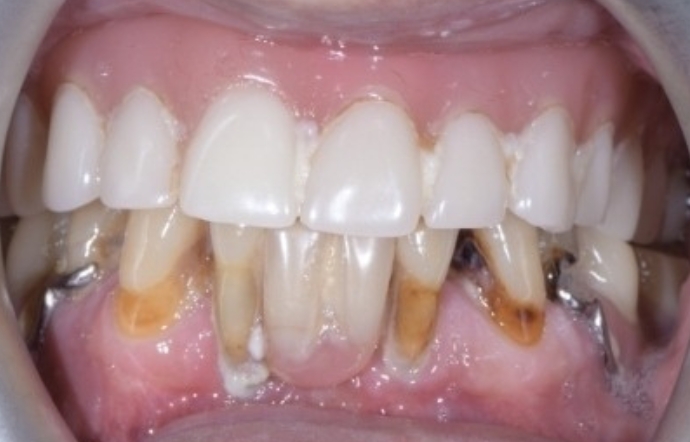 Before
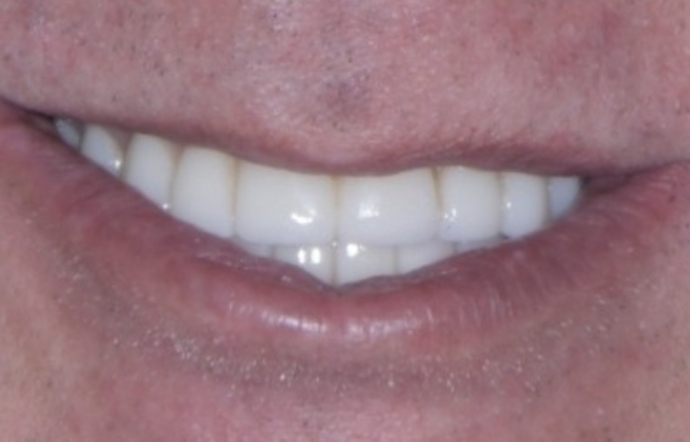 After
After
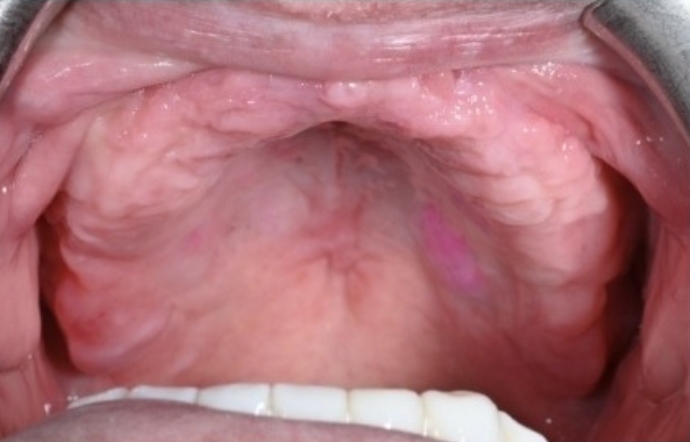 Before
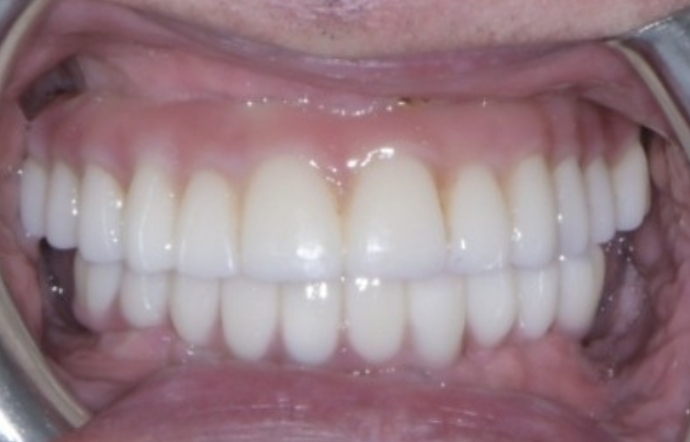 After
After
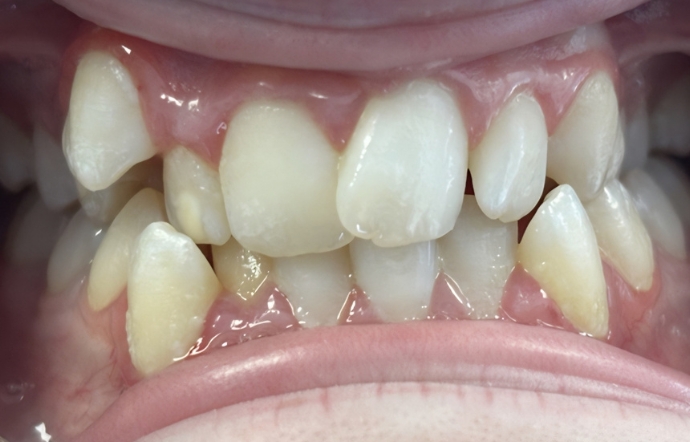 Before
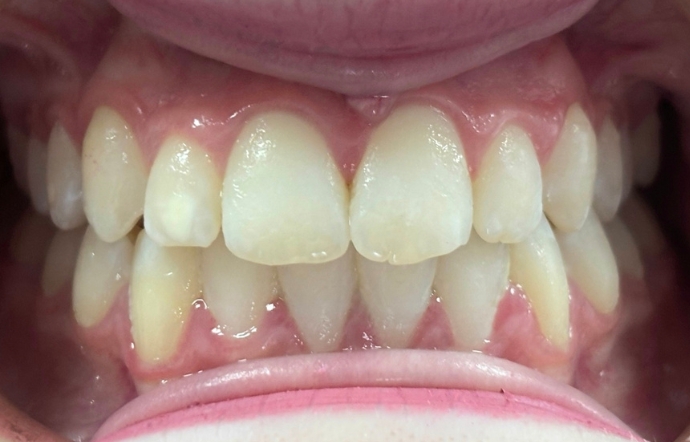 After
After
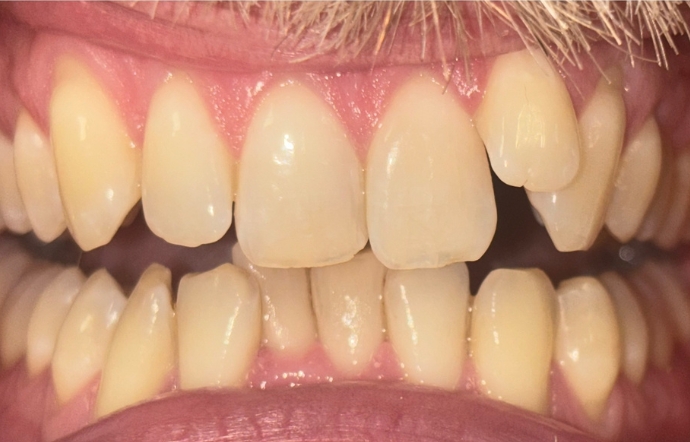 Before
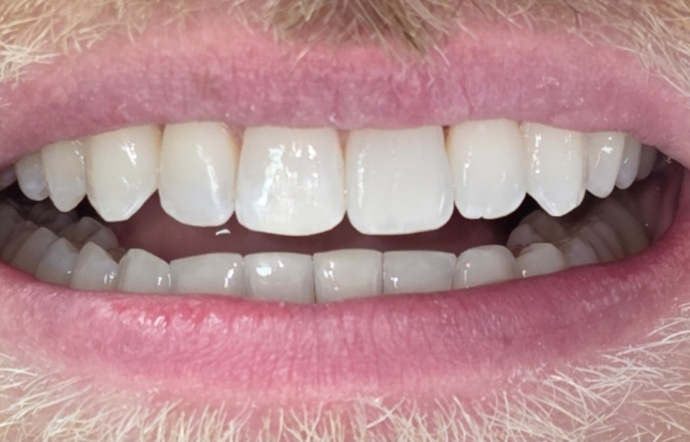 After
After
Invisalign was used with no drilling composite bonding to transform this smile.
Get in touch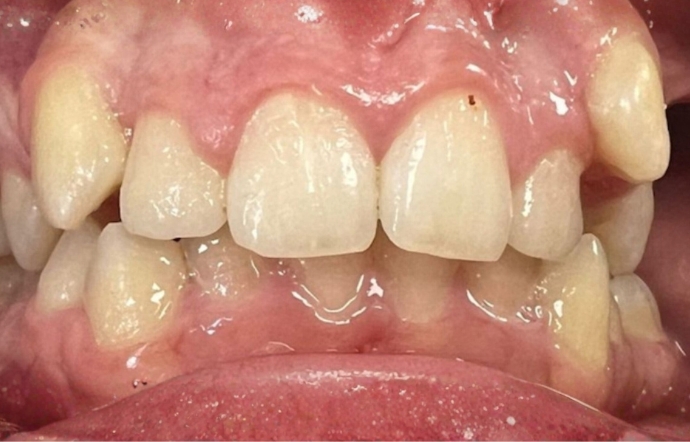 Before
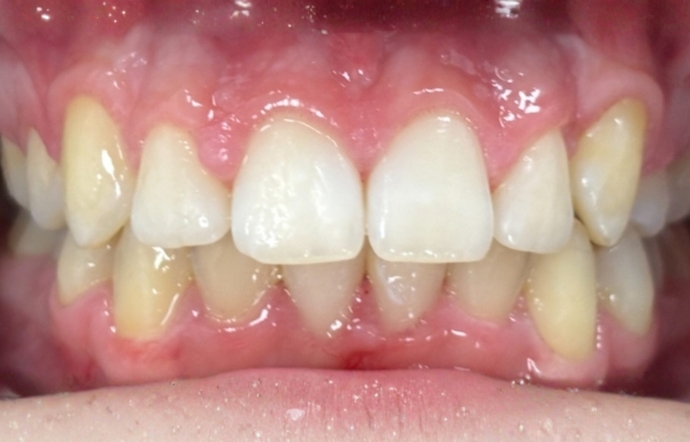 After
After
Invisalign and composite bonding were used by Dr Raj to close the gaps between the…
Get in touch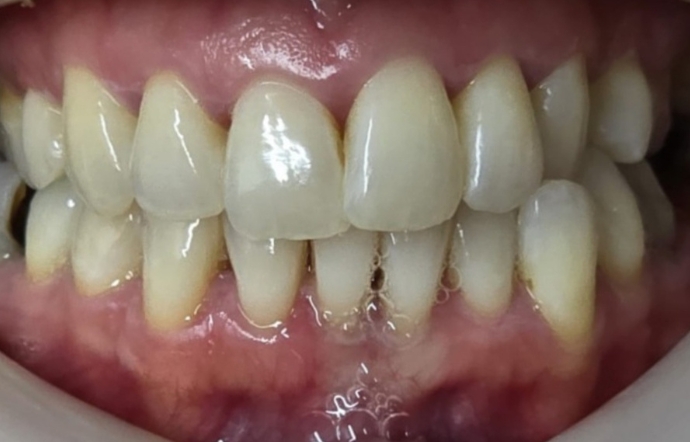 Before
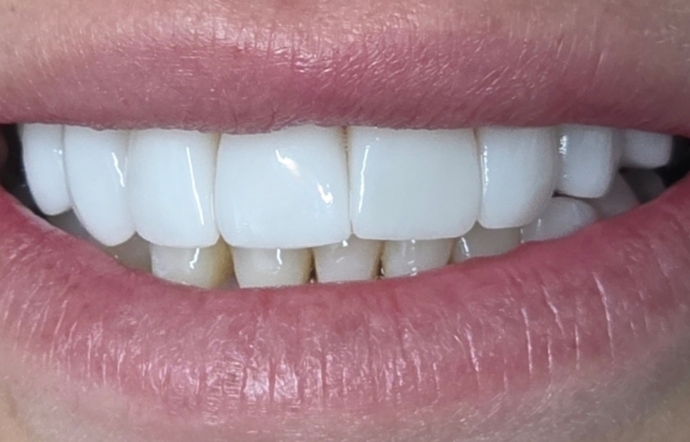 After
After
Porcelain veneers and clear braces were used to fix the crowded teeth.
Get in touch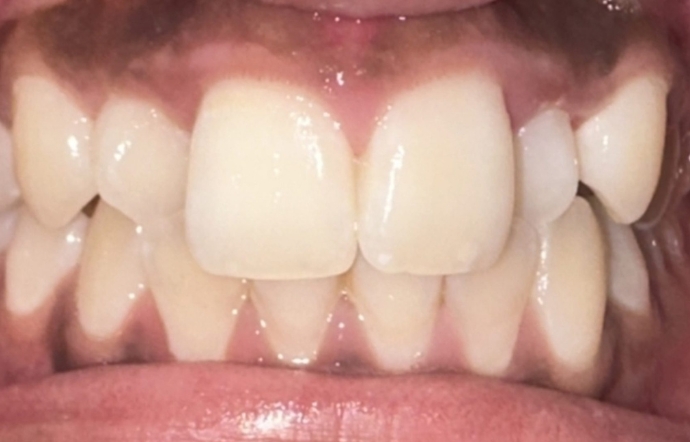 Before
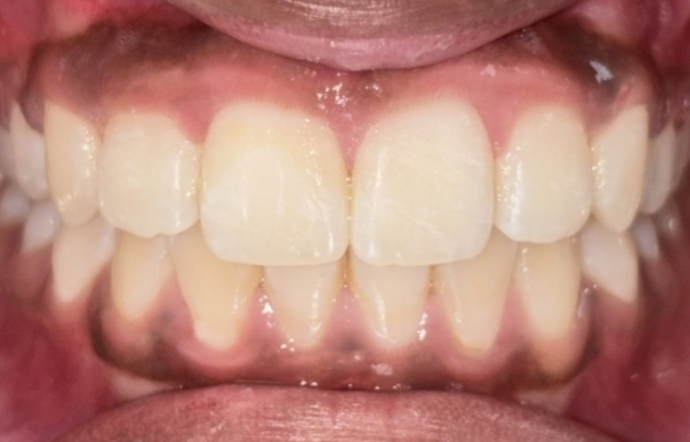 After
After
Clear braces and porcelain veneers were used to fix the crowded teeth.
Get in touch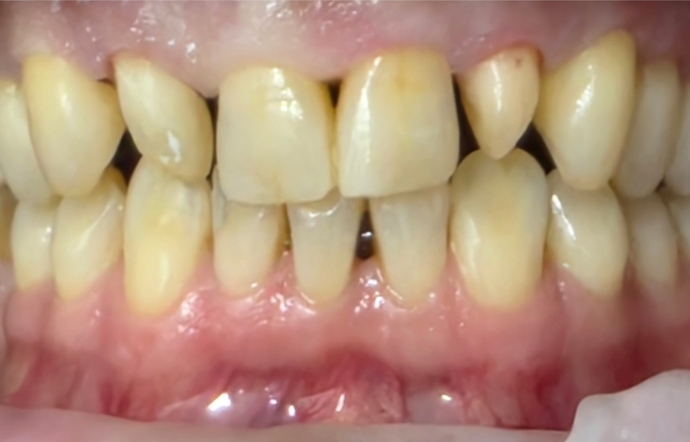 Before
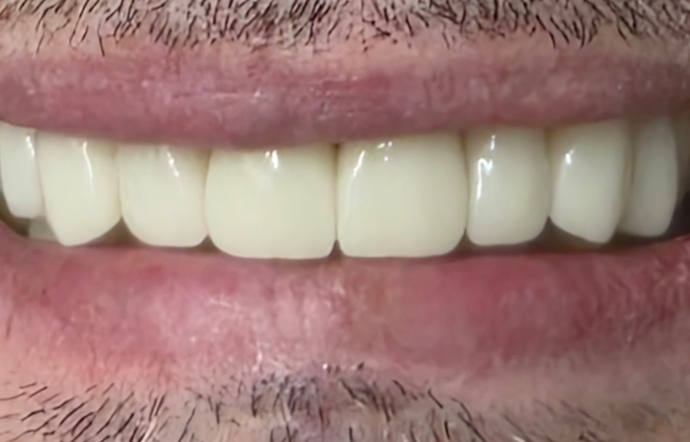 After
After
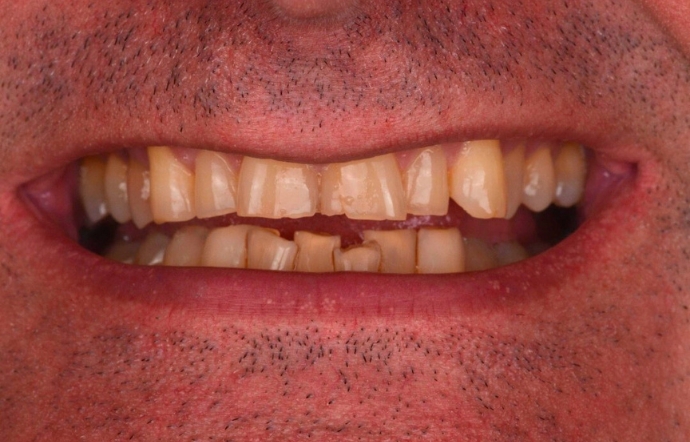 Before
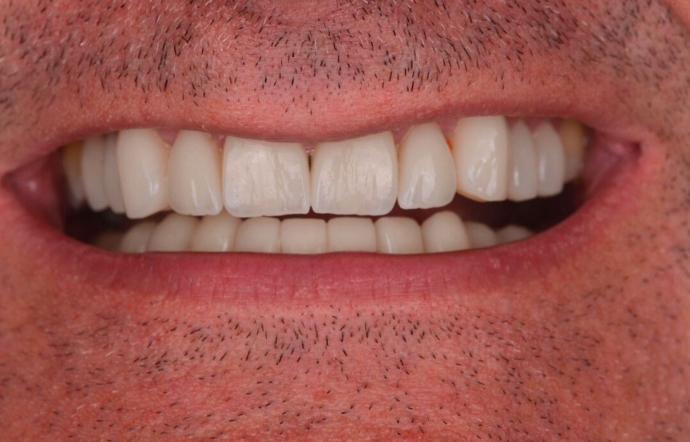 After
After
Clear braces and porcelain veneers were used to correct this smile.
Get in touch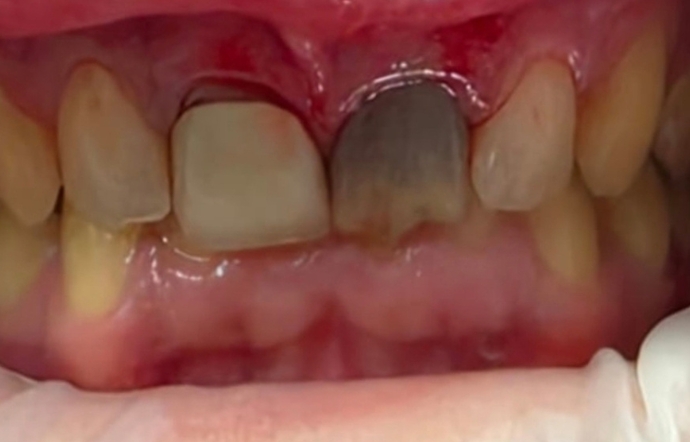 Before
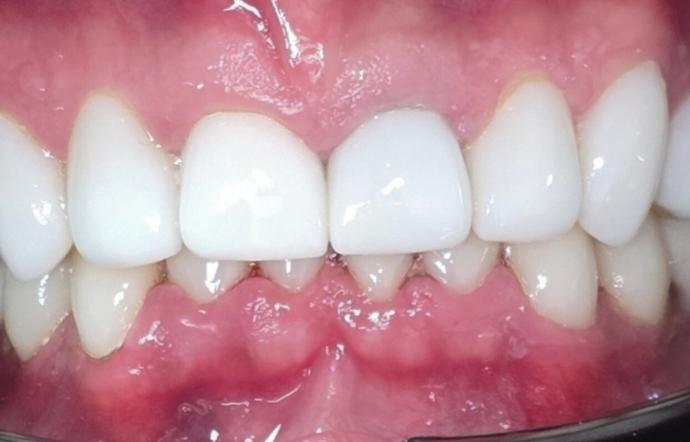 After
After
Composite bonding was used to totally transform the decaying teeth into perfect pearly whites.
Get in touch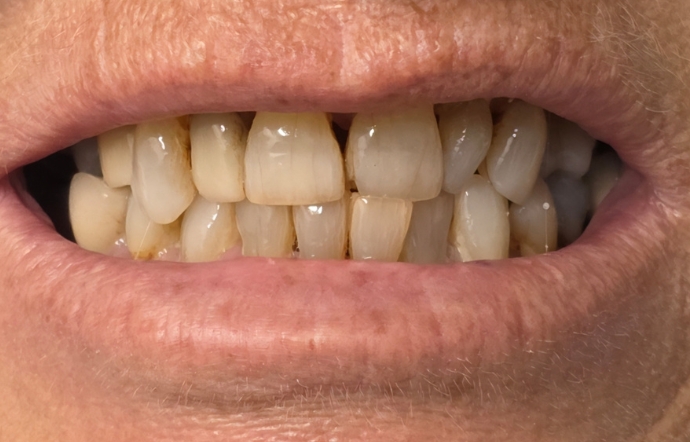 Before
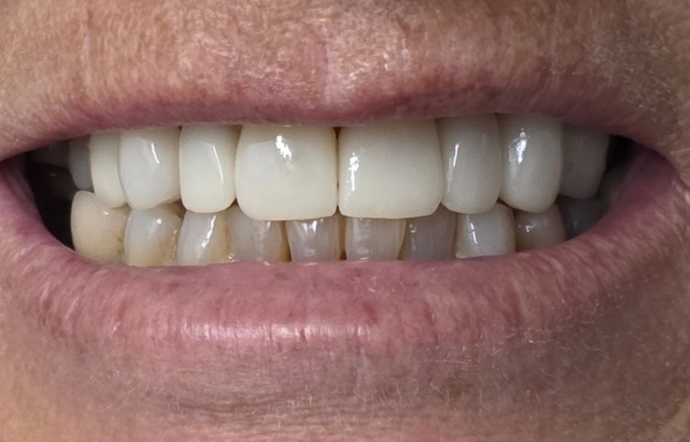 After
After
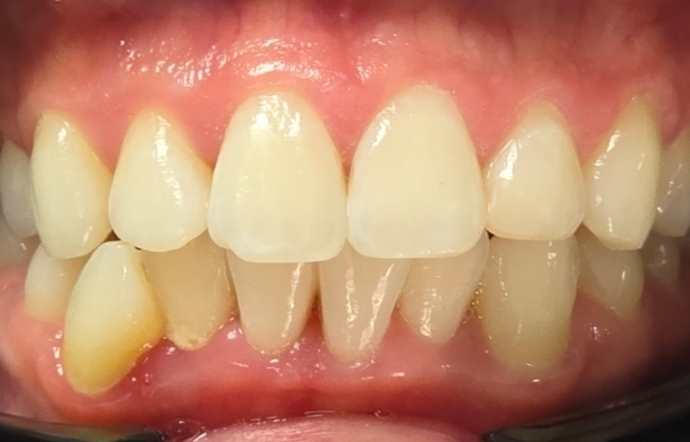 Before
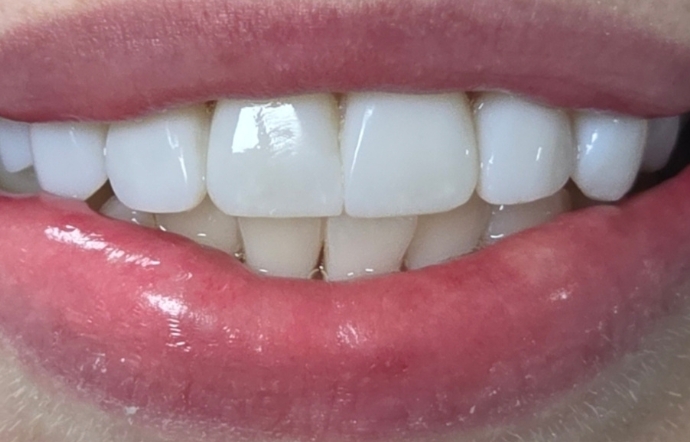 After
After
Porcelain veneers were used to give an instant white smile and to fix the crowded…
Get in touch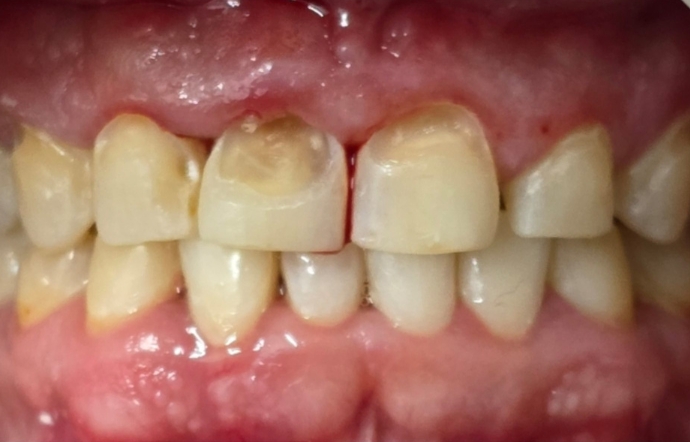 Before
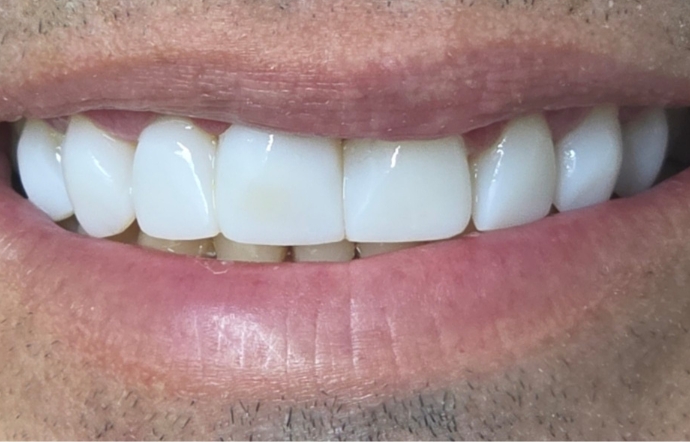 After
After
Invisalign, followed by composite bonding, was used to create this straight, healthy, white smile.
Get in touch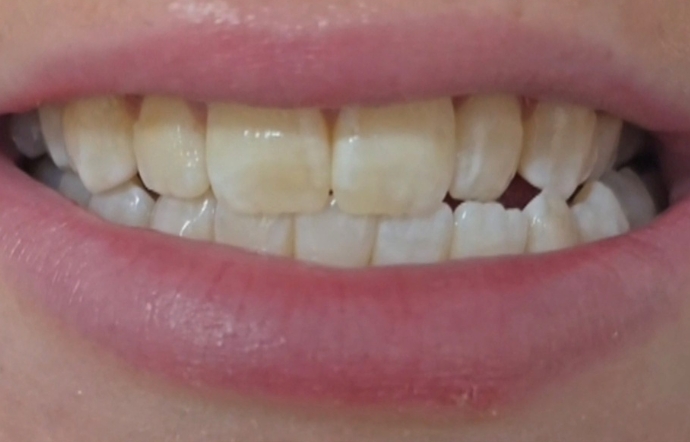 Before
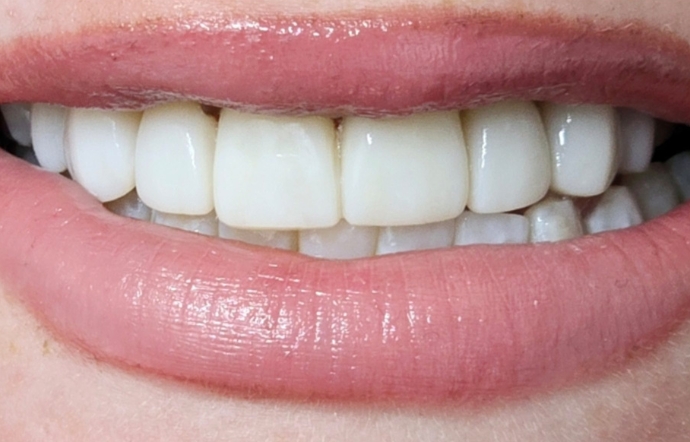 After
After
Porcelain veneers were used to whiten and brighten this smile.
Get in touch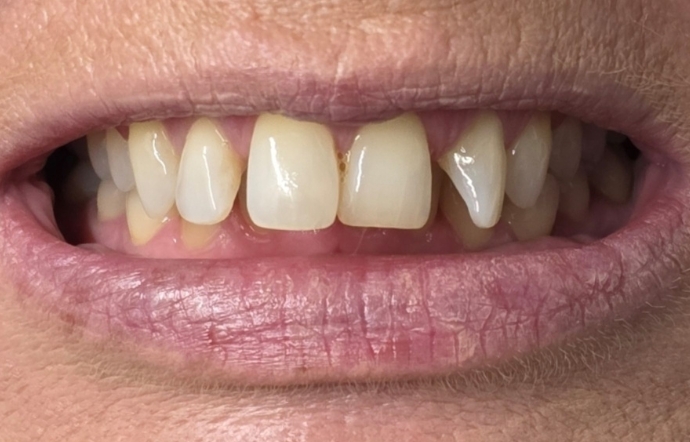 Before
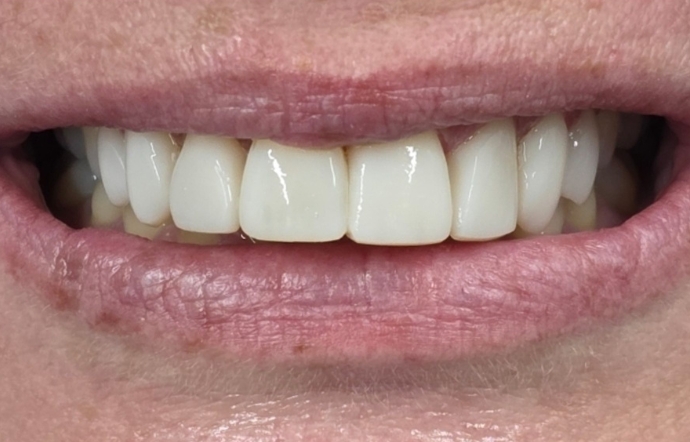 After
After
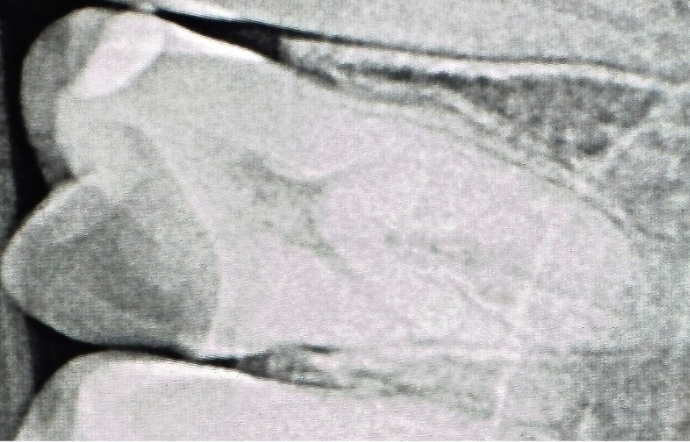 Before
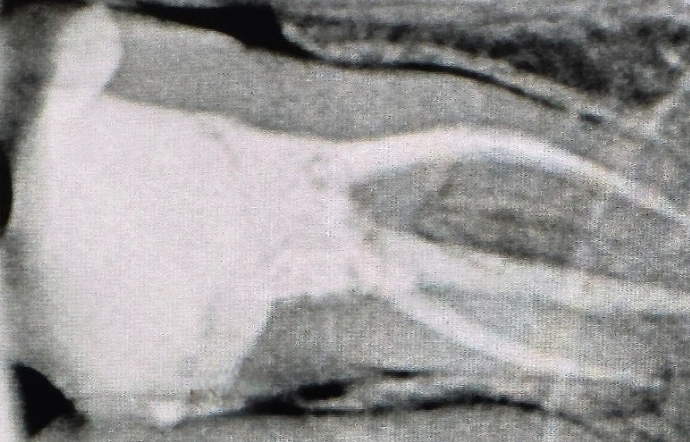 After
Before
After
Before
After
Before
After
Before
After
After
Before
After
Before
After
Before
After
Before
After
Invisalign was used with no drilling composite bonding to transform this smile.
Get in touch
Before
After
Invisalign and composite bonding were used by Dr Raj to close the gaps between the…
Get in touch
Quickly match your needs with the right dental treatment using our simple treatment finder.


Follow us on Instagram for real patient transformations, behind the scenes updates and the latest offers. It’s the easiest way to stay connected and inspired on your smile journey.
EXPLORE